Description
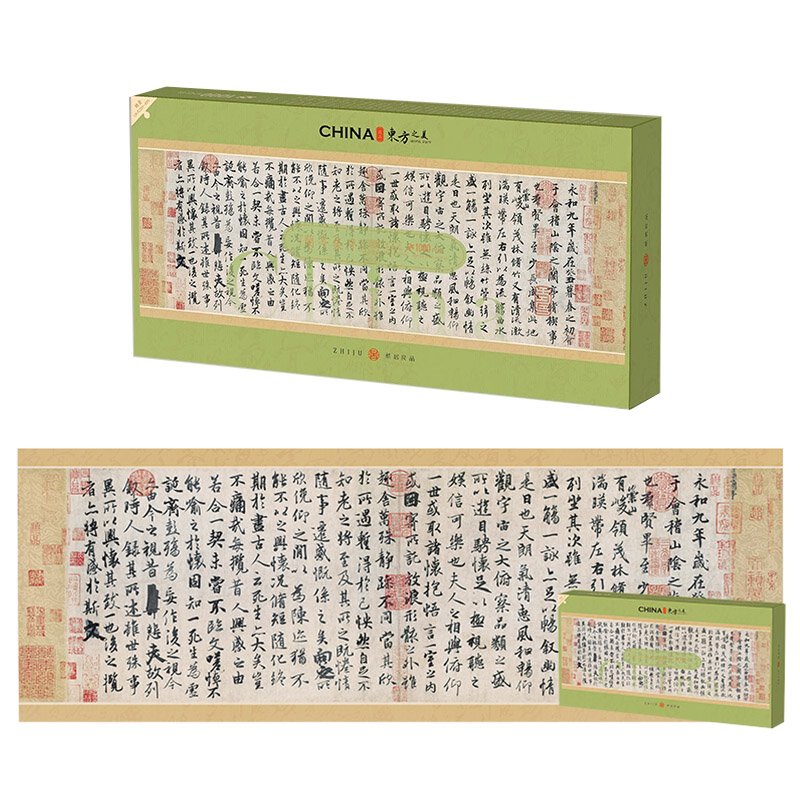
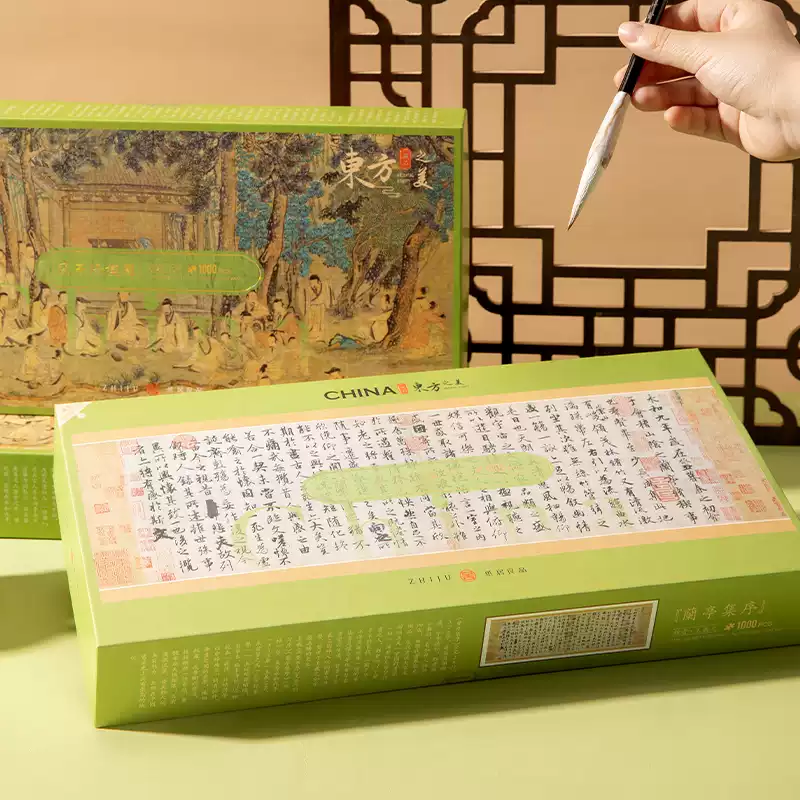
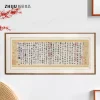
Penned in 353 CE during China’s Eastern Jin Dynasty, the Lanting Xu (Orchid Pavilion Preface) by Wang Xizhi (303–361 CE) is a foundational masterpiece of Chinese culture, revered equally for its profound literary content and its unparalleled calligraphy. Wang Xizhi, later hailed as the “Sage of Calligraphy,” composed this text during the Spring Purification Festival (Shangsi) at the Orchid Pavilion near Shaoxing.
The occasion was an elegant gathering of literati. Guests participated in the “floating wine cup” game, composing poems as cups drifted down a winding stream. Wang was commissioned to write a preface for the resulting poetry collection. His spontaneous text, just 324 characters, begins by vividly describing the idyllic setting and joyful camaraderie.
However, the preface transcends mere description. It shifts into deep existential reflection, contrasting the fleeting happiness of the moment with the inevitability of aging and death. Wang poignantly observes that while circumstances change, human emotions remain constant, and written words can preserve feelings across time: “Later readers will also be moved by these writings.” This meditation on mortality and legacy resonates profoundly centuries later.
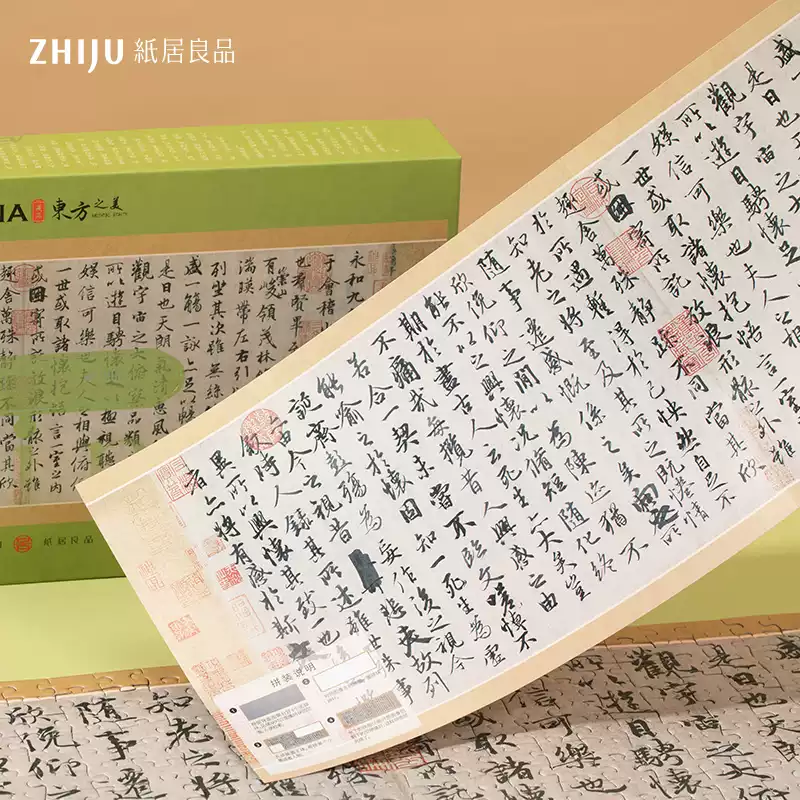
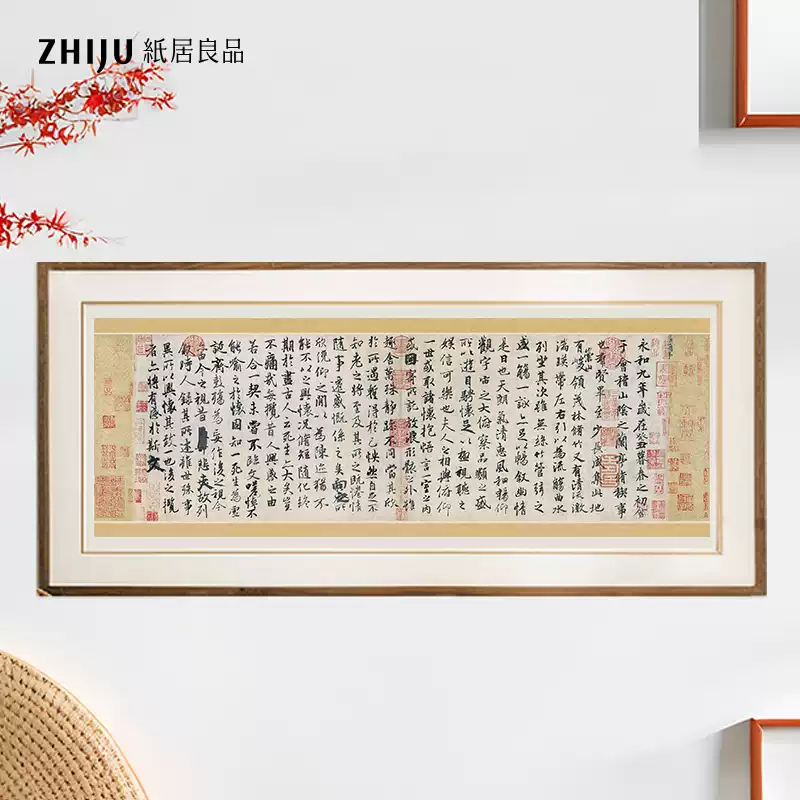
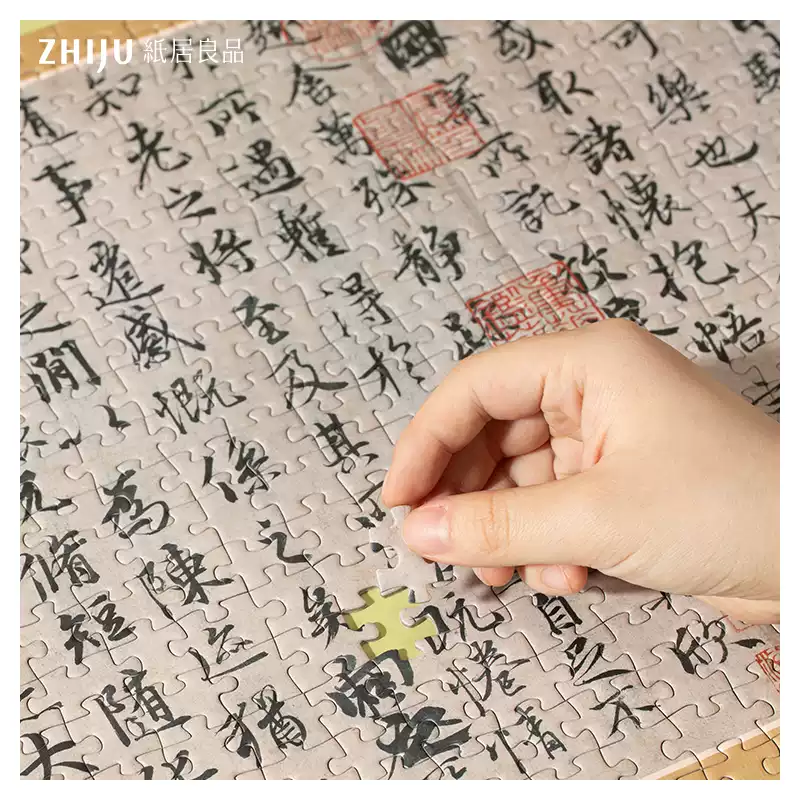
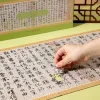
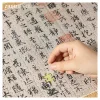
The true immortality of the Lanting Xu lies in Wang Xizhi’s calligraphy. Executed in semi-cursive script (xingshu), it is considered the pinnacle of the art form. The characters flow with rhythmic vitality, perfect balance, dynamic strokes, and an unmatched sense of natural grace. It embodies core Chinese aesthetic principles: strength within softness and disciplined spontaneity.
The original manuscript was lost centuries ago, likely buried with the Tang Emperor Taizong, its greatest admirer. Its legacy survives through meticulous traced copies and stone rubbings made during the Tang Dynasty. These copies remain sacred models for calligraphers.
More than a historical text, the Lanting Xu encapsulates Chinese literati ideals: harmony with nature, artistic refinement, philosophical contemplation, and the enduring power of art. It stands as an eternal cornerstone of China’s cultural heritage.
More Collections:
Bill Bell Painting Jigsaw Puzzle
Claude Monet Painting Jigsaw Puzzle
Van Gogh Painting Jigsaw Puzzle
Follow us on Facebook: https://www.facebook.com/toppuzzleshop








Reviews
There are no reviews yet.